

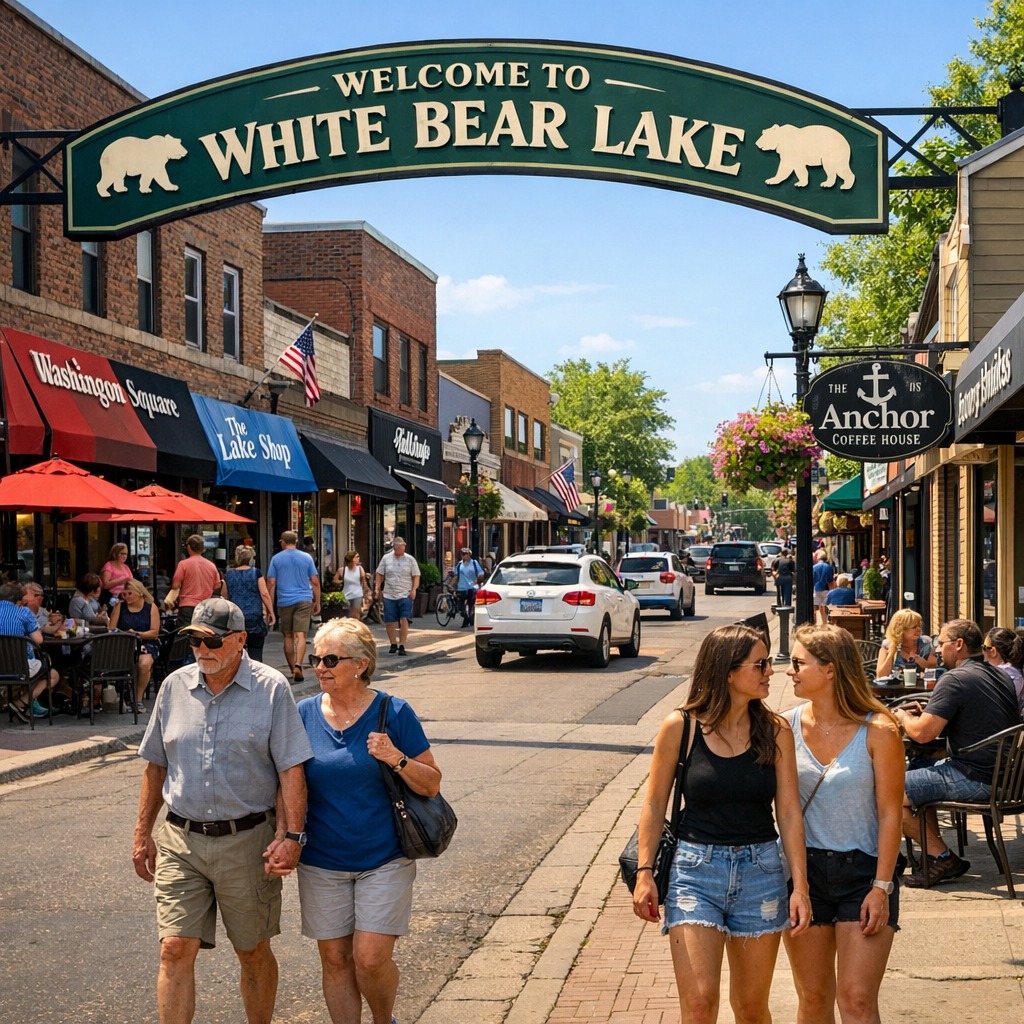
White Bear Lake, Minnesota, has long been celebrated for its picturesque lake views, vibrant downtown, and strong community spirit. As the city continues to evolve, understanding its economic and housing trends becomes essential for residents and potential newcomers alike.
Population and Demographics
As of 2026, White Bear Lake’s population is projected to be approximately 23,251 residents. The median age stands at 41.9 years, reflecting a mature community with a blend of young families and long-standing residents. The median household income is reported at $83,554, indicating a stable economic base within the city.
Housing Market Dynamics
The housing market in White Bear Lake has experienced notable changes. The median sale price of homes has risen to $373,000, marking a 10.4% increase compared to the previous year. Homes are selling faster, with an average of 13 days on the market, down from 25 days the prior year. This trend suggests a competitive market, with increased demand for housing in the area.
Economic Development Initiatives
The city has been proactive in fostering economic growth. The Economic Development Corporation has been established to champion the city’s economic development, focusing on infrastructure improvements and supporting local businesses. Additionally, the Revolving Loan and Grant Program (RLGP) aims to enhance the utility and appearance of downtown and County Road E businesses, encouraging private investment and revitalization efforts.
Business Environment
White Bear Lake hosts a diverse business community, with 976 businesses employing approximately 12,750 individuals. Key sectors include healthcare and social assistance, retail trade, professional and technical services, educational services, and accommodation and food services. The presence of Century College, a prominent two-year technical and community college, further enriches the local economy by providing education and training aligned with industry needs.
Community Engagement and Cultural Vibrancy
The city’s commitment to community engagement is evident through various festivals and events. Marketfest, held from mid-June through the end of July, transforms downtown into a lively hub of activity, reminiscent of a county fair. Manitou Days, a three-week festival, features a daily treasure hunt, annual parade, and live music on the beach, celebrating the city’s rich cultural heritage.
In conclusion, White Bear Lake stands as a dynamic community, balancing growth and tradition. Its evolving economic landscape, coupled with a strong sense of community and proactive development initiatives, positions the city as an attractive destination for residents and businesses alike.