

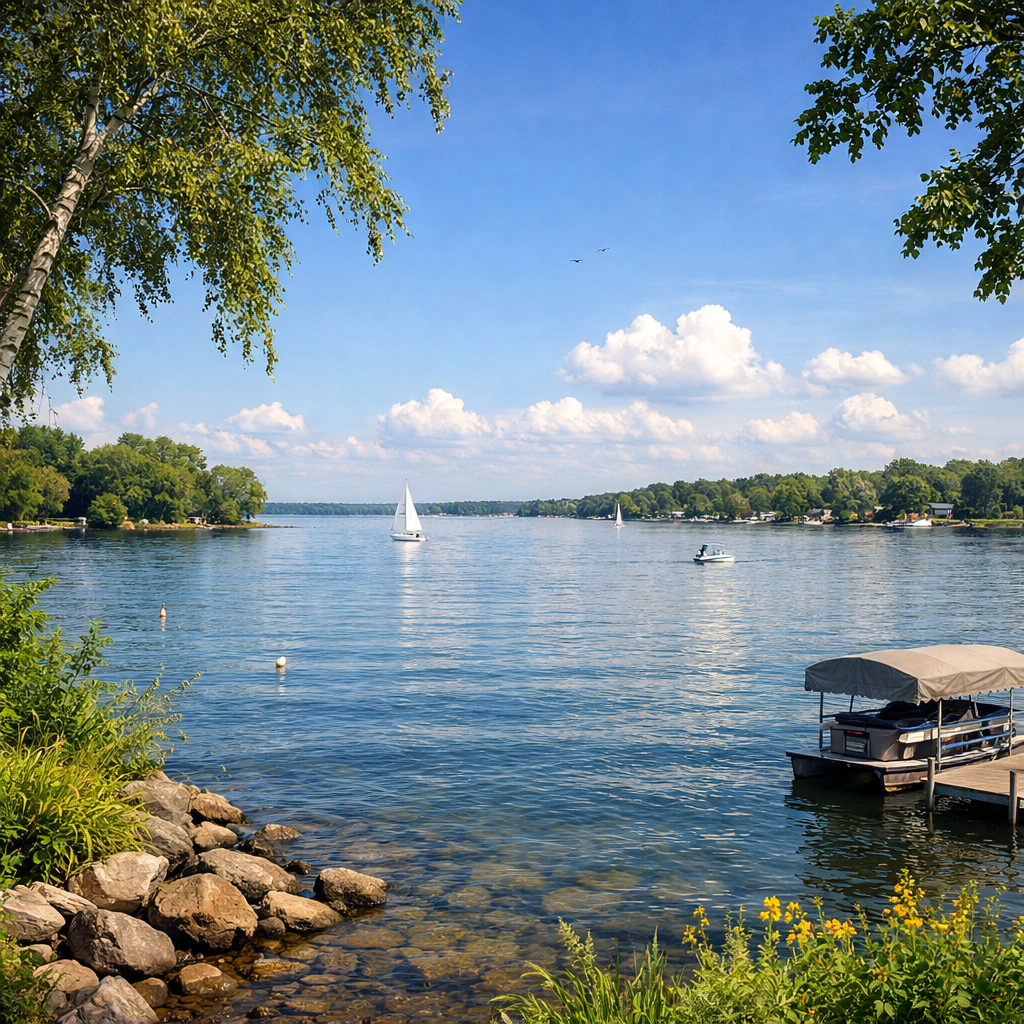
White Bear Lake, Minnesota, experiences a humid continental climate characterized by cold winters and warm summers. Average temperatures range from lows of 6.7°F in January to highs of 82.3°F in July. Annual precipitation averages 33.82 inches, with May and June being the wettest months.
Environmental Conservation Efforts
The City of White Bear Lake is committed to preserving its natural resources. The Environmental Advisory Commission advises the City Council on sustainability and environmental protection policies. This commission encourages residents to adopt sustainable practices through education and community events.
One notable initiative is the annual Environmental Resources Expo, held on the last Thursday of July during Marketfest. This event features local experts discussing topics such as water quality, conservation, pollinators, native plants, composting, renewable energy, and recycling. Attendees can participate in activities, view electric vehicle displays, and learn about sustainable practices.
Water Resource Management
White Bear Lake has implemented several projects to protect its water resources. The Matoska Park Parking Lot Water Quality Project, completed in 2021, installed Rain Guardian Turret structures to prevent sediment and debris from entering the lake. Additionally, the Rotary Nature Preserve Restoration Projects have enhanced public enjoyment and environmental health through improvements like picnic areas and habitat restoration.
Residents are encouraged to participate in water conservation efforts. The city offers cost-share assistance programs for projects that improve water quality, such as native plantings, rain gardens, and shoreline restoration. These initiatives aim to maintain the health of White Bear Lake and its surrounding ecosystems.
Community Involvement
Community engagement is vital for the success of environmental initiatives. The Environmental Advisory Commission seeks input from residents and promotes sustainable practices through surveys, education, and events. By participating in these programs, residents contribute to the preservation and enhancement of White Bear Lake’s natural environment.
Understanding the local climate and actively participating in conservation efforts ensures that White Bear Lake remains a vibrant and sustainable community for future generations.