

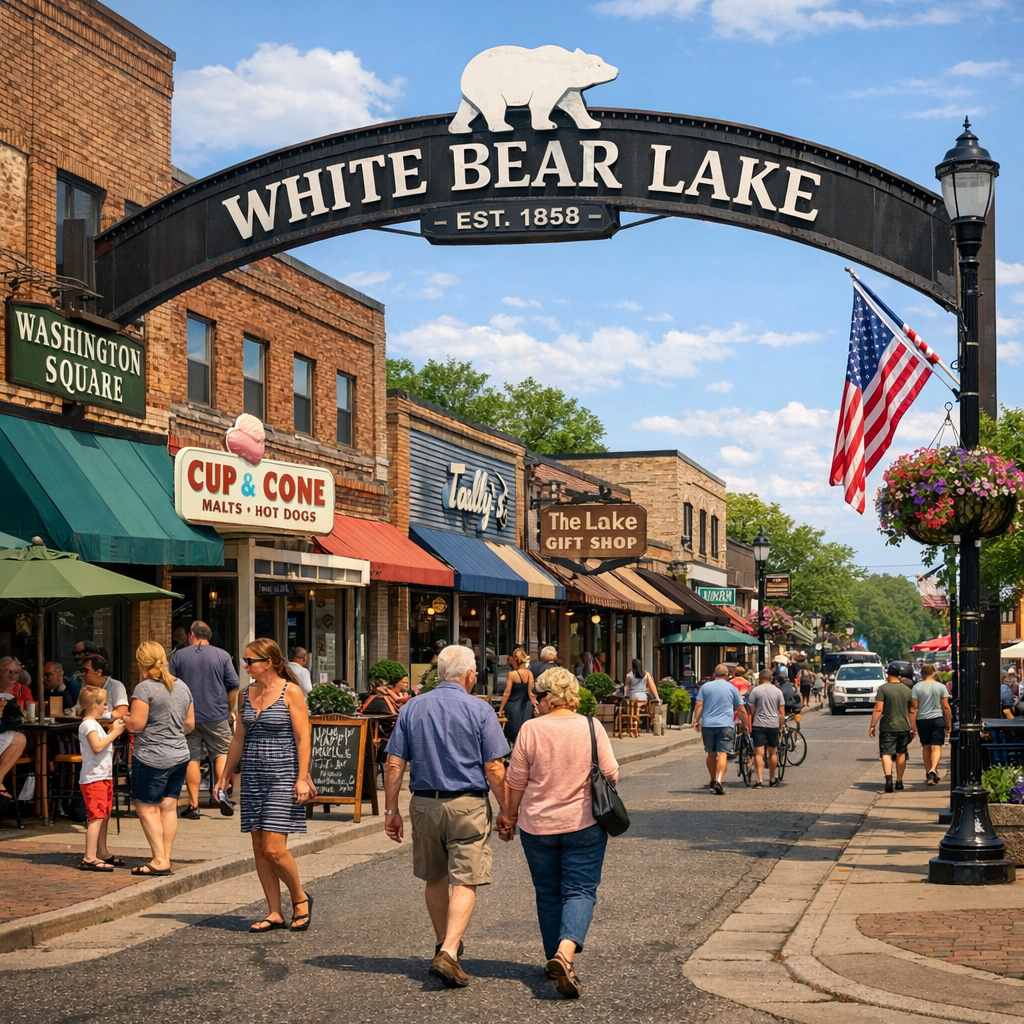
White Bear Lake, Minnesota, has long been recognized for its vibrant community and economic resilience. As we delve into the current economic landscape, several key factors emerge that shape the city’s business environment and housing market.
Economic Development and Business Environment
The city boasts a diverse business community, with 976 businesses employing approximately 12,750 individuals. The healthcare and social assistance sector leads with 146 businesses, followed by retail trade with 117 establishments. This diversity underscores White Bear Lake’s robust economic foundation.
To support local businesses, the city offers initiatives like the Revolving Loan and Grant Program (RLGP), aimed at enhancing the utility and appearance of downtown and County Road E businesses. Additionally, the Open to Business program provides technical assistance to small business owners and entrepreneurs, fostering a supportive environment for business growth.
Housing Market Trends
The housing market in White Bear Lake reflects steady growth. As of March 2026, the median sale price of homes reached $373,000, marking a 10.4% increase from the previous year. Homes typically sell after 13 days on the market, indicating strong demand. The median price per square foot stands at $231, up 8.5% year-over-year.
Rental properties are also in demand, with the median rent at $2,400 per month as of April 2026. This represents a 20.3% increase over the past three years, highlighting the city’s appeal to renters.
Demographics and Workforce
With a projected 2026 population of 23,251, White Bear Lake maintains a stable community size. The median household income is $83,554, and the median age is 41.9 years. The city’s workforce is well-educated, with 26% holding a bachelor’s degree or higher, contributing to a skilled labor pool that benefits local businesses.
Community Initiatives and Future Outlook
White Bear Lake’s commitment to economic development is evident through organizations like the White Bear Lake Economic Development Corporation and the White Bear Area Chamber of Commerce. These entities collaborate to support local businesses and attract new enterprises, ensuring sustained economic vitality.
In conclusion, White Bear Lake’s economic landscape is characterized by a diverse business environment, a growing housing market, and proactive community initiatives. These factors collectively contribute to the city’s ongoing prosperity and appeal as a place to live and work.